
In Office Fluoride Treatment: Is It Worth It for Your US Dental Health?

Custos Base da Clínica em SP
Montagem do Procedimento
Simulador Financeiro Inteligente
Escopo Orçamentário Final em SP
In Office Fluoride Treatment: Is It Worth It for Your US Dental Health?
Introduction
Fluoride is a cornerstone of modern dental hygiene, playing a critical role in preventing tooth decay and promoting oral health across the United States. While fluoride toothpaste and mouth rinses are common at-home solutions, professional fluoride treatments offered in dental offices provide a different level of care. Understanding the benefits, limitations, and context of in-office fluoride treatment is key for anyone seeking optimal preventive dental care in the US. This article explores the value proposition of professional fluoride applications, comparing them to at-home options and highlighting key considerations for patients.
What is In-Office Fluoride Treatment?
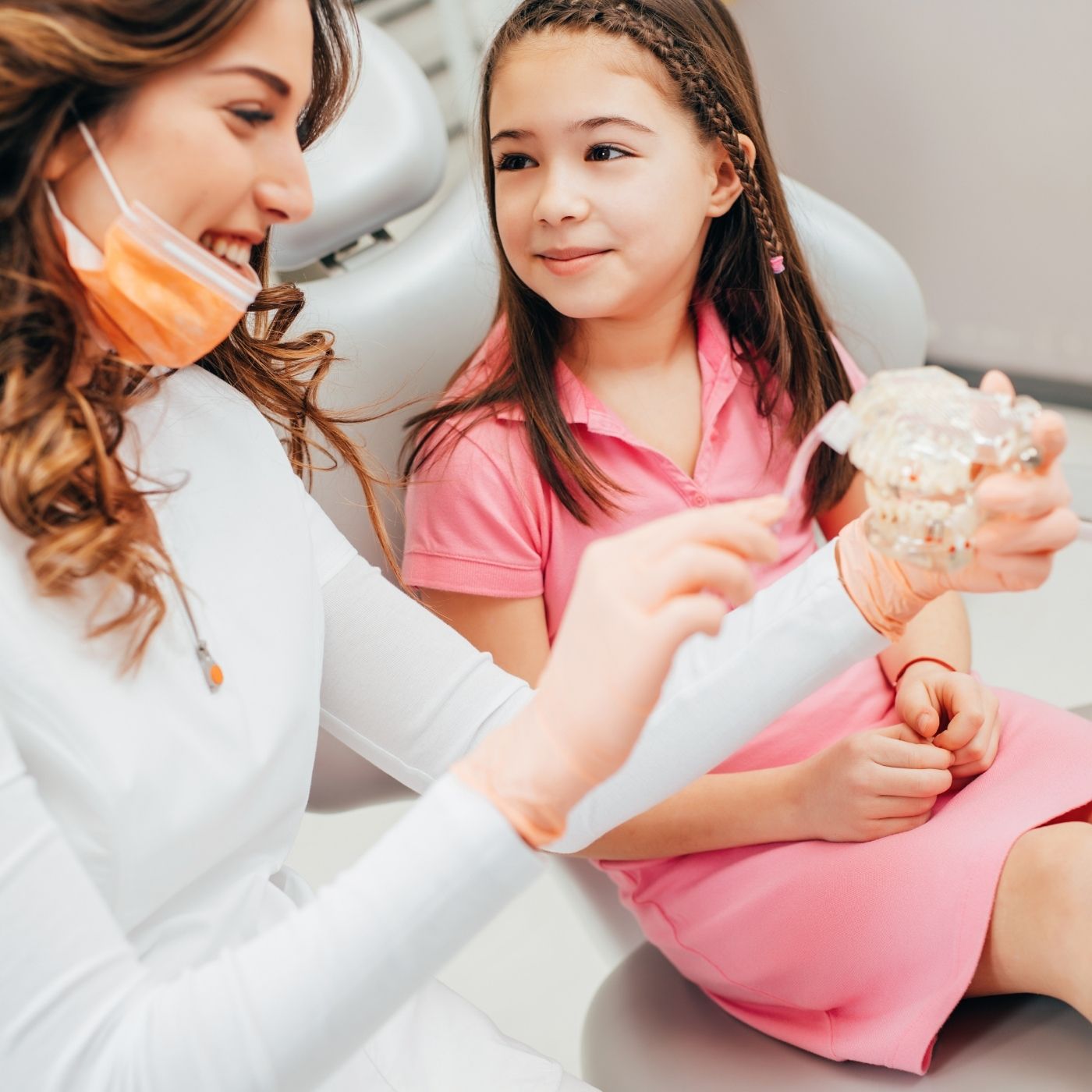
In-office fluoride treatments are professional applications of fluoride compounds designed to strengthen tooth enamel and prevent cavities. Unlike the topical fluoride found in toothpaste, these treatments often involve higher concentrations or different formulations. The most common types include:
- Fluoride Varnish: A viscous, resin-based fluoride solution applied directly to the teeth. It’s the most widely used professional fluoride application.
- Fluoride Gel: A liquid fluoride solution applied to the teeth, often used in trays or custom trays.
- Fluoride Foam: A foam-like mixture of fluoride and a propellant, applied to the teeth.
These treatments are typically administered by a dentist or dental hygienist during a regular check-up or as a separate appointment, focusing on preventive care rather than treating active decay.
The Science Behind Fluoride’s Effectiveness
Fluoride works by enhancing the natural remineralization process of tooth enamel. When acids from bacteria in the mouth dissolve tooth minerals, fluoride helps rebuild these minerals, making the enamel stronger and more resistant to acid attacks. Additionally, fluoride can inhibit the growth of acid-producing bacteria (like *Streptococcus mutans*) and interfere with the demineralization process itself. The American Dental Association (ADA) strongly supports the use of fluoride for caries prevention, highlighting its proven efficacy in reducing cavities.
Key Benefits of In-Office Fluoride Treatment
Professional fluoride treatments offer several advantages over DIY at-home options:
- Higher Concentration: Office treatments can utilize higher concentrations of fluoride than typically found in toothpaste, providing a more potent preventive effect.
- Professional Application: A trained dental professional ensures precise application, minimizing the risk of over-application (leading to fluorosis) or under-application (ineffective prevention).
- Personalized Care: The dentist assesses your individual risk factors (e.g., diet, saliva composition, existing dental conditions) to determine the most appropriate type and dosage of fluoride for you.
- Convenience: Treatments are administered during a routine dental visit, eliminating the need for separate appointments or the potential for error in at-home application.
- Monitoring: The visit provides an opportunity to discuss your oral hygiene routine and address any concerns.
Comparison with At-Home Fluoride
At-home fluoride (toothpaste, rinses) is effective for many people, but it requires careful use. The main drawback is the potential for inconsistent application – some people may not use enough fluoride, while others might apply too much, leading to dental fluorosis (white spots or discoloration). In-office treatments mitigate these risks through professional oversight and precise application.
While at-home fluoride is convenient and cost-effective when used correctly, in-office treatments offer a higher level of professional expertise and potentially more effective preventive care, especially for individuals with higher caries risk or those needing specific fluoride concentrations.
Who Benefits Most from In-Office Fluoride?
In-office fluoride treatments are particularly beneficial for:
- Children: Especially those with primary teeth, as fluoride helps strengthen developing enamel. Professional application ensures proper dosage.
- High-Risk Individuals: People with a history of cavities, genetic predisposition to caries, or specific dietary habits that increase risk.
- Patients with Dry Mouth (Xerostomia): Saliva helps buffer acids and remineralize enamel; reduced saliva flow increases decay risk.
- Individuals with Tooth Erosion: Those experiencing enamel loss due to acidic foods or drinks.
- Patients Needing High-Concentration Fluoride: Such as those with severe caries or specific medical conditions requiring high-dose fluoride therapy under dental supervision.
Considerations and Potential Downsides
While generally safe, there are a few points to consider:
- Fluorosis Risk: Over-application can cause fluorosis. Dentists carefully calibrate dosages to minimize this risk.
- Allergies: Though rare, some individuals may have allergic reactions to fluoride compounds or the application process.
- Cost: In-office treatments typically have a cost associated with the dental visit itself.
The primary benefit of in-office fluoride is its professional application, which generally outweighs the potential minor risks, provided the dentist follows best practices.
Conclusion: A Valuable Tool in Preventive Care
In-office fluoride treatments represent a valuable tool in the comprehensive preventive dental care strategy recommended by the American Dental Association for the United States. They offer a higher concentration of fluoride and the precise application of a trained professional, leading to more effective cavity prevention compared to typical at-home methods. While at-home fluoride remains a crucial part of oral hygiene, in-office treatments provide an added layer of protection, particularly for children and high-risk individuals. The decision to use in-office fluoride should be made in consultation with your dentist, who can assess your individual needs and recommend the most suitable treatment plan.
Call to Action
🦷 NYC Dental Treatment Cost Estimator
Estimated price ranges for 65+ dental procedures in New York City — based on 2026 market data across all boroughs and provider types.
If you are looking for optimal dental health protection in the US, discuss your fluoride needs with your dentist. They can provide personalized recommendations based on your unique oral health profile and help you choose the best approach for maintaining a healthy smile.

