Comprehensive Recovery Timeline for Jaw Surgery

Comprehensive Recovery Timeline for Corrective Jaw Surgery
Comparative Table: Bone Healing vs. Soft Tissue Healing Phases
| Recovery Phase | Bone Consolidation Status | Soft Tissue & Edema Status |
|---|---|---|
| Acute (Days 1-7) | Zero structural stability; completely reliant on titanium fixation. | Maximum edema; acute inflammatory response peaks at 72 hours. |
| Subacute (Weeks 2-6) | Primary callus formation begins; high risk of displacement. | 70% of visible swelling dissipates; neurosensory shock persists. |
| Consolidation (Weeks 6-12) | Clinical union achieved; light occlusal loading is tolerated. | 90% of edema resolved; facial muscles begin functional adaptation. |
| Remodeling (Months 3-12) | Woven bone replaced by lamellar bone; full structural integrity. | Residual micro-swelling resolves; nerve regeneration maximizes. |
Find Post-Operative Care in Major Medical Hubs
| City | Official City Portal | Local Clinical Search |
|---|---|---|
| New York | NYC.gov | Search New York Clinics |
| Boston | Boston.gov | Search Boston Clinics |
| Chicago | Chicago.gov | Search Chicago Clinics |
| Los Angeles | LAcity.gov | Search Los Angeles Clinics |
| Houston | HoustonTX.gov | Search Houston Clinics |
| Philadelphia | Phila.gov | Search Philadelphia Clinics |
The 10 Recovery Milestones & Exemplary Monitoring Centers
Execution of these recovery milestones requires strict adherence to clinical guidelines. To reference standard surgical protocols and the physiological mechanics dictating these timelines, analyze the data compiled at dentalguideaz.com. Below is the unyielding timeline, matched with globally recognized medical centers capable of managing post-operative complications.
1. Days 1-3: The Acute Inflammatory Phase
Edema peaks at 72 hours. The airway is compromised due to swelling. Nutrition is strictly liquid via syringe. Pain is managed through intravenous analgesics. Patient requires continuous clinical monitoring.
📞 Phone: +1 212-241-6500
2. Days 4-7: Peak Swelling Subsidence
Inflammation begins a sharp decline. The patient transitions to oral liquid analgesics. Strict oral hygiene protocols using prescribed chlorhexidine rinses begin to prevent severe surgical site infection.
📞 Phone: +1 617-726-2000
3. Week 2: Liquid Diet Sustenance
Energy levels remain heavily depleted due to caloric restriction. The diet remains 100% liquid. Jaw mobility is severely restricted by heavy guiding elastics placed by the surgeon to hold the new bite.
📞 Phone: +1 410-955-5000
4. Week 3: Soft Tissue Healing
Intraoral incisions seal completely. Speech improves as the tongue adapts to the modified intraoral volume. Bruising resolves entirely. Patient begins gentle, passive jaw opening exercises if authorized.
📞 Phone: +1 216-444-2200
5. Week 4: No-Chew Soft Food Introduction
The patient transitions from liquids to a pureed, “no-chew” diet. Mastication is strictly forbidden, as applying vertical force to the maxilla or mandible will fracture the primary callus formation.
📞 Phone: +1 310-825-9111
6. Week 6: Initial Bone Consolidation
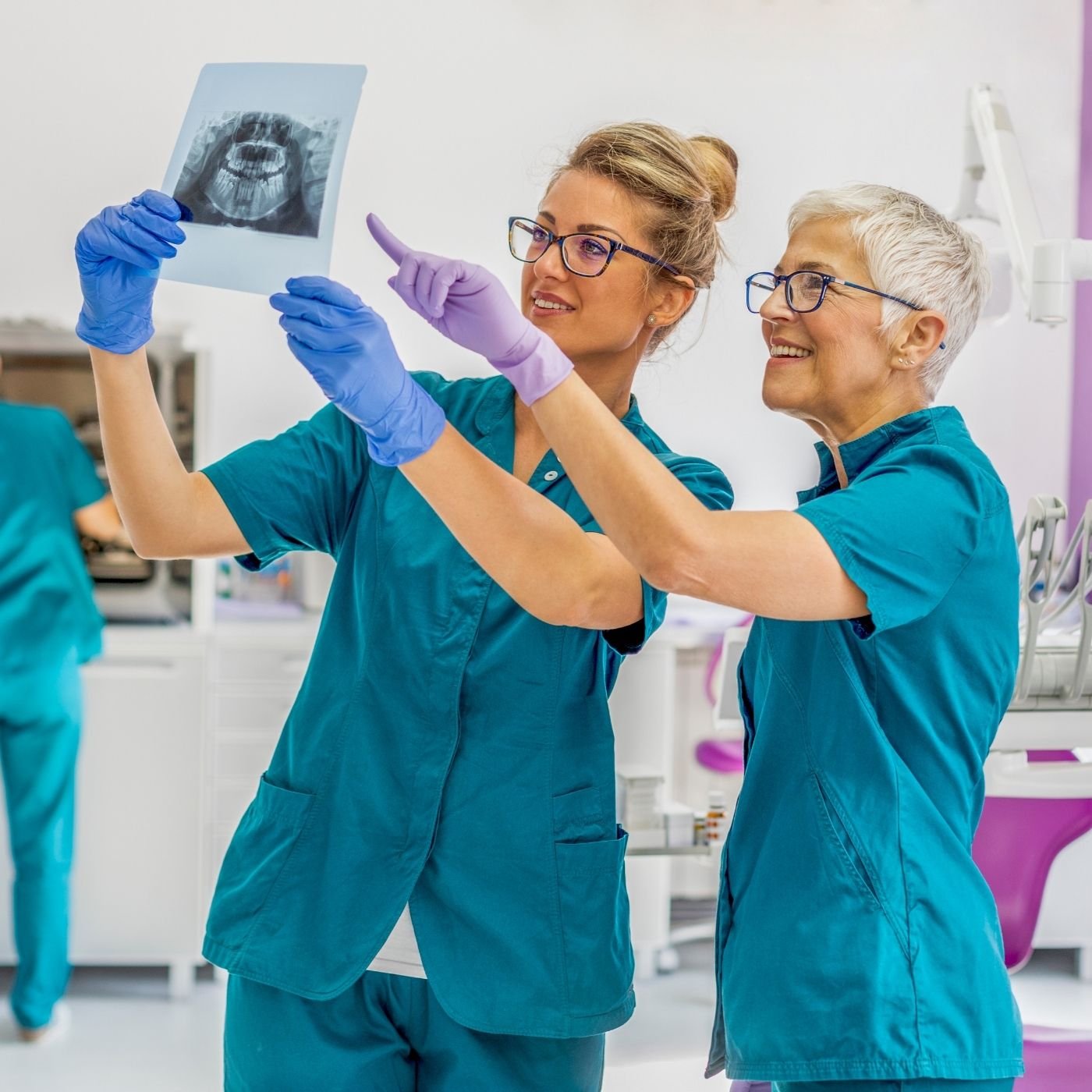
Clinical union of the osteotomy sites is confirmed via radiographic imaging. The surgeon officially clears the patient to begin light, highly controlled chewing of soft foods (e.g., scrambled eggs, soft pasta).
📞 Phone: +1 507-284-2511
7. Week 8: Resumption of Physical Activity
Cardiovascular exercise and moderate weightlifting are permitted. Contact sports remain universally prohibited due to the vulnerability of the immature bone matrix to traumatic impact forces.
📞 Phone: +1 650-723-4000
8. Months 3-4: Advanced Remodeling
Bone density at the surgical sites significantly increases. The patient is cleared for an unrestricted, normal diet. The facial muscles have adapted to the new skeletal framework, eliminating functional strain.
📞 Phone: +1 310-423-3277
9. Months 6-8: Orthodontic Detailing
Surgical hardware has integrated with the jawbones. The orthodontist finalizes tooth alignment, establishing absolute intercuspation. Braces or clear aligners are typically removed during this window.
📞 Phone: +1 646-929-7800
10. Month 12: Complete Neurological Recovery
Bone remodeling reaches maximal stability. The inferior alveolar nerve completes its regeneration process. Any residual micro-swelling is eliminated. The surgical outcome is considered permanent and final.
📞 Phone: +1 415-476-1000
3 Case Studies: Clinical Recovery Outcomes
Objective analysis of post-operative behavior dictates outcomes. Bypassing clinical instructions always results in complications. For broad insights into systematic health and physical rehabilitation, review the protocols at saudeaz.com.br.
- Case 1: Hardware Failure due to Premature Loading. A 24-year-old male attempted to masticate solid food at Week 3. The vertical bite force fractured the titanium plates securing the Le Fort I osteotomy. Immediate revision surgery was required, resetting the entire 6-week consolidation timeline.
- Case 2: Optimal Nerve Regeneration. A 30-year-old female experienced total paresthesia of the lower lip post-BSSO. By strictly adhering to B-complex vitamin supplementation protocols established by the National Institutes of Health, sensory function began returning at Month 3 and reached 100% resolution by Month 9.
- Case 3: Prevention of Infection. A 28-year-old patient presented with severe intraoral hygiene neglect at Week 2, resulting in localized cellulitis. Aggressive intravenous antibiotics and surgical debridement were necessary to prevent systemic infection. This highlights the absolute necessity of prescribed chlorhexidine regimens.
10 FAQs: Direct Clinical Answers
- How painful is the recovery? The acute pain is surprisingly low due to temporary nerve damage masking the surgical site. Discomfort is driven by extreme facial swelling and nasal congestion, not acute bone pain.
- Why must I sleep upright? Elevating the head at a 45-degree angle utilizes gravity to force edema out of the facial tissues. Sleeping flat will dangerously exacerbate airway swelling in the first 7 days.
- How much weight will I lose? Patients average a 10% reduction in total body weight during the first 4 weeks due to the severe caloric deficit of a liquid diet.
- Can I talk immediately after surgery? Technically yes, but practically it is extremely difficult due to swelling, numbness, and heavy elastic bands binding the jaws. Communication is best done via writing for the first 5 days.
- Will my titanium plates set off metal detectors? No. Maxillofacial fixation plates are composed of non-magnetic, medical-grade titanium and are too small to trigger airport security scanners.
- Is nerve damage permanent? Temporary numbness is a 100% guarantee. However, according to the American Association of Oral and Maxillofacial Surgeons, permanent, absolute paresthesia occurs in less than 5% of patients.
- When can I blow my nose? You are strictly forbidden from blowing your nose for 4 weeks following a maxillary osteotomy. The pressure can force air and bacteria into the healing surgical sites, causing massive infection.
- Why am I drooling uncontrollably? The mentalis nerve is traumatized, meaning you cannot feel your lower lip. Combined with intraoral swelling, lip incompetence and drooling are unavoidable for the first 2 weeks.
- What happens if I vomit while banded shut? Your surgical team will provide wire cutters or scissors. You must carry these at all times. If uncontrollable vomiting occurs, you must cut the elastics to prevent aspiration.
- When is the final visual result achieved? While you look socially acceptable at 6 weeks, the Mayo Clinic confirms that the absolute final soft tissue draping and bone settling takes a full 12 months.
Fun Fact & Pro Tip
Fun Fact: The mechanotransduction pathways driving human jawbone consolidation are biologically identical to those observed in large mammals undergoing advanced veterinary reconstructive trauma surgery, a fascinating clinical overlap analyzed on guiaanimal.com.br.
Pro Tip: Never attempt to accelerate the dietary protocol. The titanium micro-plates holding your facial skeleton together will catastrophically fail under premature occlusal forces. To understand the sheer physics behind bone healing, seek out advanced clinical texts via indicandolivros.com.br. Furthermore, you must systematically review dentalguideaz.com to construct an inflexible post-operative nutrition plan before entering the operating room.
Explore More
Maximize your adherence to clinical protocols by analyzing the internal database. Direct your research to dentalguideaz.com for these mandatory subjects:
- ➤ Optimizing Macronutrients on a Jaw Surgery Liquid Diet
- ➤ Clinical Protocols for Managing Post-Operative Facial Edema
- ➤ Accelerating Inferior Alveolar Nerve Regeneration
- ➤ Indications for Titanium Plate Removal Post-Healing
- ➤ The Mechanics of Orthodontic Elastics After Bimaxillary Osteotomy
- ➤ Biomechanical Methods for Preventing Orthognathic Relapse
- ➤ Resolving CPAP Intolerance with Maxillomandibular Advancement
- ➤ Specific Recovery Timelines for Le Fort I Impaction
- ➤ Identifying Idiopathic Condylar Resorption Post-Op
- ➤ Navigating the Psychological Impact of Rapid Facial Alteration
Keywords for your next internet searches
jaw surgery recovery timeline, orthognathic surgery recovery week by week, double jaw surgery liquid diet duration, bimaxillary osteotomy swelling timeline, Le Fort 1 osteotomy recovery, lower jaw surgery numbness recovery, maxillofacial surgery bone healing process, CPAP replacement jaw surgery, TMJ surgery recovery time, jaw surgery weight loss,
facial asymmetry surgery recovery, orthognathic surgery plate removal, post-op jaw surgery congestion, severe underbite surgery recovery, overbite jaw reconstruction healing, private oral surgery recovery, 3D digital jaw surgery planning, adult cleft palate surgeon recovery protocol, jaw surgery hospital stay length, post-op jaw surgery recovery tips, oral and maxillofacial nerve damage, severe malocclusion surgical treatment, facial reconstructive surgery timeline, orthognathic surgery orthodontic detailing, jaw surgery elastic bands duration.
10 Top Orthognathic Surgery Specialists in London