- ` which can contain paragraphs). Ensure the US context is woven in naturally (e.g., healthcare system, regulations).
- ` for clarity.
* **Interpreting Results:** Explain the outcome and its impact on treatment. Mention the US context regarding medical records/insurance.
* **Conclusion:** Summarize key points. End with a strong call-to-action encouraging dental consultation.4. **Refinement and SEO:**
* **Keyword Integration:** Ensure “dental biopsy,” “oral health,” “diagnosis,” “treatment,” “pathology,” and related terms are used naturally throughout the text, especially in headings and the introduction.
* **Flow and Transitions:** Read through the article to ensure smooth transitions between sections.
* **Clarity and Conciseness:** Remove jargon where possible or explain it simply. Avoid repetition.
* **Tone Check:** Is it professional yet accessible? (e.g., avoid overly technical language).
* **Word Count:** Adjust content length as needed to approach the 800-word target. Add more detail or examples if short, condense if too long. (Self-correction: Initial draft might be short, need to elaborate on the “Why Necessary” and “How Performed” sections).
* **Formatting:** Ensure the HTML structure is correct (``, `
`, `
NYC Dental Cost Estimator — AZNewYork.com ⬡ AZNewYork.com🦷 NYC Dental Treatment Cost Estimator
Estimated price ranges for 65+ dental procedures in New York City — based on 2026 market data across all boroughs and provider types.
— Select a procedure —🛡️ Preventive & DiagnosticRoutine Cleaning (Adult Prophylaxis)Child Cleaning & ExamNew Patient Exam + Full X-RaysPeriodic Exam (established patient)Full Mouth X-Rays (FMX)Bitewing X-Rays (4 films)Panoramic X-Ray (OPG)3D CBCT Cone Beam ScanFluoride TreatmentDental Sealant (per tooth)Oral Cancer ScreeningNight Guard / Occlusal Splint (Bruxism)Sleep Apnea Oral Appliance (MAD)🔧 RestorativeComposite Filling — 1 SurfaceComposite Filling — 2–3 SurfacesAmalgam Filling (1–2 surfaces)Porcelain Inlay / Onlay (per tooth)Dental Crown — Porcelain / ZirconiaDental Crown — PFM or MetalCrown Lengthening (surgical)Dental Bridge — 3-Unit (porcelain)Maryland Bridge (resin-bonded)Full Denture (per arch)Partial DentureDenture Reline / RepairPost & Core Build-UpStainless Steel Crown (pediatric)🩺 Endodontics (Root Canals)Root Canal — Anterior (front tooth)Root Canal — PremolarRoot Canal — MolarRoot Canal RetreatmentApicoectomy (root tip surgery)Pulpotomy (baby root canal)Direct Pulp Cap🔪 Oral SurgerySimple ExtractionSurgical ExtractionWisdom Tooth Removal — 1 (impacted)Wisdom Teeth — All 4 (surgical)Bone Graft — Socket PreservationBone Graft — Block / Major AugmentationSinus Lift (sinus augmentation)Frenectomy (tongue or lip tie)Oral Tissue BiopsyTMJ Treatment (splint + therapy)Space Maintainer (pediatric)🪢 Implants & PeriodonticsSingle Dental Implant (post + crown)Implant Abutment OnlyFull Mouth Implants — All-on-4 (per arch)Implant-Supported Overdenture (2 implants)Periodontal Maintenance VisitScaling & Root Planing — Full MouthDeep Cleaning — per quadrant (SRP)Gum Graft — 1 Tooth (CTG/FGG)Gum Graft — Multiple Teeth (3–4)LANAP Laser Gum Surgery (per arch)LAPIP Laser Peri-Implantitis TreatmentRidge AugmentationGum Contouring / Aesthetic Crown Lengthening✨ Cosmetic & OrthodonticsPorcelain Veneer (per tooth)Composite Veneer / Bonding (per tooth)In-Office Whitening (Zoom / Philips)Take-Home Whitening Kit (custom trays)Smile Makeover — 6–8 Veneers (full case)Invisalign — Full TreatmentInvisalign — Lite / ExpressTraditional Braces (metal)Ceramic / Clear BracesLingual Braces (inside, hidden)Retainer (replacement / new)🚨 EmergencyEmergency Exam (limited / focused)Emergency Extraction (same day)Abscess Drainage / I&DTemporary Crown (chairside)Re-cementation (crown, bridge, veneer)— Select —Specialist / Boutique PracticeGeneral Dentist (private)Dental Chain (Tend, Aspen…)Teaching Clinic (NYU, Columbia)Community / FQHC Health Center— Select —Manhattan — Midtown / UESManhattan — Other NeighborhoodsBrooklynQueensThe BronxStaten Island— Select —No Insurance (Self-Pay)Basic Plan (preventive only)Standard Plan (50–80% restorative)Premium Employer PlanMedicaid / Child Health Plus— Select —Routine — straightforwardModerate — some complicationsComplex — prior failure / anatomyEstimated Cost — NYC 2026 Market Simulation⚠️ This is a simulation, not a professional quote. Actual fees vary by provider, clinical findings, materials, and your specific insurance contract. Annual insurance maximums ($1,000–$2,000) may limit reimbursement. Request a written, itemized treatment plan from your dental provider before any procedure. Never make clinical decisions based solely on this estimate.`, `
- `, `
- `, ``).
5. **Final Review:**
* Proofread for spelling and grammatical errors.
* Check against all requirements of the prompt.
* Verify the US context is mentioned.
* Ensure the call-to-action is clear.This systematic approach ensures all requirements are met, the structure is logical, the content is accurate and well-organized, and the final article is optimized for readability and SEO.
Okay, here is a complete article on dental biopsy, following your requirements. ***
**Understanding Dental Biopsy: How It’s Done and Why It’s Crucial for Your Oral Health**
Your mouth is a complex ecosystem, home to essential functions and potential problems. When concerns arise about a specific spot, lesion, or persistent symptom in your mouth, accurate diagnosis is paramount. This is where dental biopsy plays a vital role. It’s a procedure that helps dentists and oral surgeons determine the nature of an abnormality, guiding effective treatment plans. In the context of the United States, dental biopsy is a standard diagnostic tool utilized within the broader healthcare system to address oral health issues.
A dental biopsy is essentially the process of taking a small sample of tissue from a suspicious area within the mouth. The primary purpose of this procedure is to send the tissue sample to a pathology laboratory for microscopic examination. This allows a pathologist to identify the tissue type, rule out infection, detect cancerous cells, or confirm a benign condition. The results provide crucial information for the dentist or surgeon to make an accurate diagnosis and formulate a tailored treatment strategy.
**What is a Dental Biopsy?**
In simple terms, a dental biopsy is a diagnostic procedure involving the removal of a small piece of tissue from the inside of the mouth. The tissue is then sent to a specialized laboratory for microscopic analysis. The goal is to determine the specific nature of any abnormality observed during a clinical examination. This could be anything from a suspicious growth or ulcer to an unexplained persistent sore.
**Why is a Dental Biopsy Necessary?**
While many oral issues can be diagnosed clinically, a biopsy is often required to confirm a diagnosis or rule out serious conditions. It becomes necessary when:
1. **Suspicious Lesions:** A dentist might observe a lesion (like a bump, ulcer, or patch) that looks unusual or concerning. A biopsy confirms whether it’s benign (non-cancerous) or malignant (cancerous).
2. **Unexplained Symptoms:** Persistent pain, swelling, bleeding, or sores that don’t respond to typical treatment may warrant a biopsy to identify an underlying cause, such as infection or a specific inflammatory condition.
3. **Ruling Out Serious Conditions:** Biopsies are essential for diagnosing conditions like oral cancer, which requires specific treatment protocols. They also help differentiate between various types of infections or inflammatory processes.
4. **Guiding Treatment:** The specific diagnosis obtained from a biopsy dictates the appropriate treatment plan. For example, a biopsy confirming cancer requires significantly different management than one confirming a benign cyst.
5. **Preventing Spread:** In cases of suspected malignancy, confirming the diagnosis via biopsy is crucial for planning further treatment, such as surgery or radiation, to prevent the spread of cancer.**How is a Dental Biopsy Performed?**
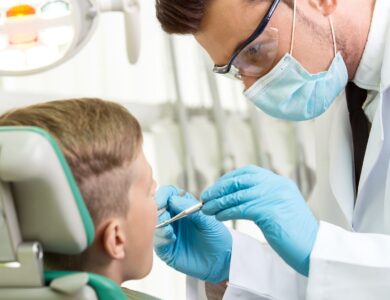
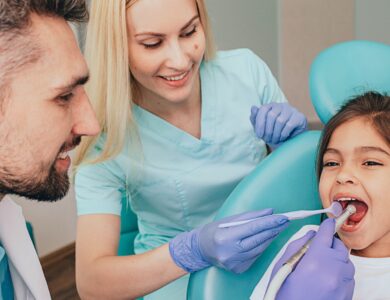
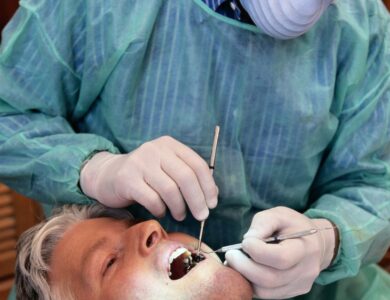
The process of a dental biopsy is typically performed by a dentist or oral surgeon and usually involves the following steps:
1. **Clinical Examination and History:** The dentist thoroughly examines the area of concern and reviews the patient’s medical and dental history. They may take X-rays or other imaging if needed.
2. **Local Anesthesia:** The area where the biopsy will be taken is numbed using local anesthetic to ensure patient comfort and prevent pain during the procedure.
3. **Sample Collection:** The dentist uses a sterile instrument (like a scalpel or a specialized punch biopsy tool) to carefully remove a small, representative sample of tissue. The type of sample depends on the location and depth of the lesion. Common types include:
* **Punch Biopsy:** A small, circular piece of tissue, typically 1mm to 6mm in diameter. This is the most common type.
* **Shave Biopsy:** A thin scraping of tissue is removed.
* **Core Biopsy:** A small, cylindrical core of tissue is taken, often used for deeper lesions.
* **Excisional Biopsy:** The entire lesion is removed.
4. **Preparation for Transport:** The collected tissue sample is carefully placed in a sterile container and transported to the pathology laboratory.
5. **Pathology Lab Analysis:** The tissue sample is processed, embedded in wax, sliced thinly, and stained. A pathologist then examines the tissue under a microscope to identify the tissue type, assess cellular characteristics, and look for signs of malignancy or infection.
6. **Report and Interpretation:** The pathologist provides a detailed report outlining their findings, including the type of tissue, any abnormalities observed, and a definitive diagnosis (e.g., benign, malignant, specific condition).
7. **Treatment Recommendations:** The dentist reviews the pathology report and discusses the findings with the patient, recommending the appropriate treatment plan based on the diagnosis.**Types of Samples Collected**
As mentioned above, different types of tissue samples can be collected depending on the nature and location of the lesion. The choice of sample type is crucial for obtaining sufficient diagnostic information.
**Interpreting the Results**
Once the pathology lab completes its analysis, the report is sent back to the dentist. The interpretation of the results is critical. If the biopsy confirms a benign condition, the dentist can proceed with appropriate conservative treatment. If it reveals cancer or a serious infection, the dentist can initiate specialized treatment protocols. The results are typically documented in the patient’s medical record and are often necessary for insurance claims related to treatment.
**Conclusion**
Dental biopsy is an indispensable tool in modern dentistry, particularly within the United States healthcare system. It provides a crucial link between clinical observation and definitive diagnosis, enabling accurate treatment planning for a wide range of oral health conditions. Whether it’s confirming a suspicious growth, ruling out infection, or guiding treatment for a complex lesion, the insights gained from a dental biopsy are vital for preserving oral health and overall well-being. If you have any concerns about a lesion or symptom in your mouth, consult your dentist for a thorough examination and discussion about the need for a biopsy.
- `, ``).
* **How Performed?:** Detail the steps. Use numbered lists or clear paragraph breaks for each step. Mention anesthesia, sterile technique, sample types, lab analysis, and reporting. Link this to US standards.
* **Types of Samples:** Describe each sample type concisely. Use `
- ` with `