,,
,
- , )
3. **Outline the Structure (based on requirements):**
* **H1 Title:** (Needs keyword focus) – e.g., “Bad Breath: Is It Coming From Your Mouth or Your Stomach?”
* **Intro (2 paragraphs):**
* Paragraph 1: Define bad breath (halitosis), mention its commonality and social stigma (linking to the Brazilian context).
* Paragraph 2: Briefly state the main point – it’s often *not* just the mouth, but can be linked to the stomach, and the cause is usually *oral*.
* **H2 Section 1: The Mouth is the Most Common Culprit:**
* Explain *why* the mouth is the primary source (bacteria, volatile sulfur compounds – VSCs).
* Mention common oral causes: gum disease (gingivitis/periodontitis), dry mouth, poor oral hygiene, certain foods (garlic, onions).
* Mention VSCs (like hydrogen sulfide) and their role.
* **H2 Section 2: The Link Between Mouth and Stomach:**
* Explain how oral bacteria can enter the bloodstream.
* Describe how bacteria in the stomach (H. pylori, etc.) can cause “stomach breath”.
* Explain the mechanism: bacteria -> bloodstream -> lungs -> breath.
* Mention specific conditions: GERD, acid reflux, certain infections.
* **H2 Section 3: Other Potential Causes (Beyond Mouth/Stomach):**
* Briefly mention less common causes to provide a complete picture.
* Examples: Sinus infections, respiratory problems (asthma, COPD), tonsil stones, certain medications, metabolic disorders (diabetes), smoking, dehydration.
* **H2 Section 4: How to Diagnose the Cause:**
* Explain that a dentist/doctor is needed.
* Mention the process: examining the mouth, asking questions (diet, medications, medical history), possibly blood tests or imaging.
* Emphasize ruling out systemic causes.
* **H2 Section 5: Treatment and Prevention:**
* **Oral Care:** Brushing, flossing, mouthwash, tongue scraping.
* **Dietary Changes:** Avoiding strong-smelling foods, managing sugar intake.
* **Hydration:** Staying hydrated to combat dry mouth.
* **Addressing Stomach Issues:** Treating GERD, managing H. pylori.
* **Managing Underlying Conditions:** Treating sinus infections, etc.
* **Smoking Cessation:** Crucial for both mouth and overall health.
* **Conclusion:**
* Summarize the key takeaway: while the mouth is usually the source, stomach issues can contribute.
* Reiterate the importance of seeking professional advice.
* **Call to Action (CTA):** Encourage readers to consult a dentist or doctor if they experience persistent bad breath.
4. **Drafting – Section by Section:**
* **Title:** Let’s go with “Bad Breath: Is It Coming From Your Mouth or Your Stomach?” – It’s direct and covers the core question.
* **Intro:** Write the two paragraphs based on the outline. Make sure to weave in the idea of prevalence and stigma, perhaps referencing the US context implicitly by discussing general health concerns.
* **Section 1 (Mouth):** Detail the oral causes, VSCs, and link to hygiene. Use terms like “primary source,” “volatile sulfur compounds.”
* **Section 2 (Stomach):** Explain the mechanism of bacteria entering the bloodstream. Use terms like “systemic,” “H. pylori,” “acid reflux.”
* **Section 3 (Other):** List the diverse causes briefly. Keep it concise.
* **Section 4 (Diagnosis):** Explain the diagnostic process. Mention “oral examination,” “medical history,” “blood work.”
* **Section 5 (Treatment):** List prevention and treatment strategies for both oral and stomach-related causes. Emphasize professional guidance.
* **Conclusion:** Summarize and add the CTA. Make it actionable.
5. **Refine and Edit:**
* **Word Count:** Check if it’s around 800 words. Adjust length by adding detail or condensing sentences.
* **Flow and Transitions:** Ensure smooth transitions between paragraphs and sections.
* **Tone:** Check if it’s professional yet accessible. Avoid overly technical jargon where possible, or explain it simply.
* **Clarity and Accuracy:** Ensure the information is clear and factually sound. Double-check the explanation of VSCs and the stomach-mouth link.
* **SEO:** Read through to ensure the main keyword (“bad breath,” “halitosis,” “mouth,” “stomach”) is used naturally throughout.
* **HTML Formatting:** Apply the required HTML tags (
,, NYC Dental Cost Estimator — AZNewYork.com
⬡ AZNewYork.com🦷 NYC Dental Treatment Cost Estimator
Estimated price ranges for 65+ dental procedures in New York City — based on 2026 market data across all boroughs and provider types.
— Select a procedure —🛡️ Preventive & DiagnosticRoutine Cleaning (Adult Prophylaxis)Child Cleaning & ExamNew Patient Exam + Full X-RaysPeriodic Exam (established patient)Full Mouth X-Rays (FMX)Bitewing X-Rays (4 films)Panoramic X-Ray (OPG)3D CBCT Cone Beam ScanFluoride TreatmentDental Sealant (per tooth)Oral Cancer ScreeningNight Guard / Occlusal Splint (Bruxism)Sleep Apnea Oral Appliance (MAD)🔧 RestorativeComposite Filling — 1 SurfaceComposite Filling — 2–3 SurfacesAmalgam Filling (1–2 surfaces)Porcelain Inlay / Onlay (per tooth)Dental Crown — Porcelain / ZirconiaDental Crown — PFM or MetalCrown Lengthening (surgical)Dental Bridge — 3-Unit (porcelain)Maryland Bridge (resin-bonded)Full Denture (per arch)Partial DentureDenture Reline / RepairPost & Core Build-UpStainless Steel Crown (pediatric)🩺 Endodontics (Root Canals)Root Canal — Anterior (front tooth)Root Canal — PremolarRoot Canal — MolarRoot Canal RetreatmentApicoectomy (root tip surgery)Pulpotomy (baby root canal)Direct Pulp Cap🔪 Oral SurgerySimple ExtractionSurgical ExtractionWisdom Tooth Removal — 1 (impacted)Wisdom Teeth — All 4 (surgical)Bone Graft — Socket PreservationBone Graft — Block / Major AugmentationSinus Lift (sinus augmentation)Frenectomy (tongue or lip tie)Oral Tissue BiopsyTMJ Treatment (splint + therapy)Space Maintainer (pediatric)🪢 Implants & PeriodonticsSingle Dental Implant (post + crown)Implant Abutment OnlyFull Mouth Implants — All-on-4 (per arch)Implant-Supported Overdenture (2 implants)Periodontal Maintenance VisitScaling & Root Planing — Full MouthDeep Cleaning — per quadrant (SRP)Gum Graft — 1 Tooth (CTG/FGG)Gum Graft — Multiple Teeth (3–4)LANAP Laser Gum Surgery (per arch)LAPIP Laser Peri-Implantitis TreatmentRidge AugmentationGum Contouring / Aesthetic Crown Lengthening✨ Cosmetic & OrthodonticsPorcelain Veneer (per tooth)Composite Veneer / Bonding (per tooth)In-Office Whitening (Zoom / Philips)Take-Home Whitening Kit (custom trays)Smile Makeover — 6–8 Veneers (full case)Invisalign — Full TreatmentInvisalign — Lite / ExpressTraditional Braces (metal)Ceramic / Clear BracesLingual Braces (inside, hidden)Retainer (replacement / new)🚨 EmergencyEmergency Exam (limited / focused)Emergency Extraction (same day)Abscess Drainage / I&DTemporary Crown (chairside)Re-cementation (crown, bridge, veneer)
— Select —Specialist / Boutique PracticeGeneral Dentist (private)Dental Chain (Tend, Aspen…)Teaching Clinic (NYU, Columbia)Community / FQHC Health Center
— Select —Manhattan — Midtown / UESManhattan — Other NeighborhoodsBrooklynQueensThe BronxStaten Island
— Select —No Insurance (Self-Pay)Basic Plan (preventive only)Standard Plan (50–80% restorative)Premium Employer PlanMedicaid / Child Health Plus
— Select —Routine — straightforwardModerate — some complicationsComplex — prior failure / anatomy
Estimated Cost — NYC 2026 Market Simulation⚠️ This is a simulation, not a professional quote. Actual fees vary by provider, clinical findings, materials, and your specific insurance contract. Annual insurance maximums ($1,000–$2,000) may limit reimbursement. Request a written, itemized treatment plan from your dental provider before any procedure. Never make clinical decisions based solely on this estimate.
🦷 NYC Dental Treatment Cost Estimator
Estimated price ranges for 65+ dental procedures in New York City — based on 2026 market data across all boroughs and provider types.
,
- , ) correctly.
* **US Context:** Ensure the article feels relevant to the US context, even if not explicitly mentioning “United States” repeatedly. The general health focus works.
* **Repetition Check:** Reread to eliminate redundant phrases or ideas.
* **Grammar and Spelling:** Proofread carefully.
6. **Final Review:** Read the complete article one last time to catch any errors and ensure it meets all the user’s requirements. The structure seems solid, the content covers the key points, and the tone is appropriate. The CTA is clear.
***
# Bad Breath: Is It Coming From Your Mouth or Your Stomach?
## Introduction: The Silent Stigma of Halitosis
Bad breath, or halitosis, is a common condition that affects millions of people worldwide. While often considered a minor issue, it can significantly impact social interactions and self-esteem. Unfortunately, it’s a topic often shrouded in silence and embarrassment, sometimes referred to as a “taboo subject,” as highlighted in the context of Brazil. Despite its prevalence, understanding the potential origins of bad breath is crucial for effective management. While the mouth is the most frequent culprit, it’s important to consider that systemic issues, including those related to the stomach, can sometimes contribute to or even cause persistent bad breath. This article delves into the common causes, exploring whether your bad breath originates primarily from your oral cavity or potentially from elsewhere in your body.
## The Mouth: The Most Common Culprit
The vast majority of bad breath cases stem from the mouth. The oral cavity is a breeding ground for bacteria, and some of these bacteria produce volatile sulfur compounds (VSCs), such as hydrogen sulfide. These compounds are responsible for the characteristic unpleasant odor associated with halitosis. Several factors contribute to the buildup of these odor-causing bacteria:
* **Poor Oral Hygiene:** This is the most frequent cause. Inadequate brushing and flossing allow plaque and tartar buildup, creating an environment where bacteria thrive.
* **Dry Mouth (Xerostomia):** Saliva plays a crucial role in washing away food particles and neutralizing acids produced by bacteria. Reduced saliva flow, often due to medications, medical conditions, or simply dehydration, allows bacteria to multiply and produce more VSCs.
* **Gum Disease (Gingivitis and Periodontitis):** Infections in the gums can lead to inflammation and the release of toxins that contribute to bad breath.
* **Certain Foods:** Foods like garlic, onions, and spices can temporarily cause bad breath as their compounds are absorbed into the bloodstream and released through the lungs.
* **Dental Problems:** Issues like cavities, impacted wisdom teeth, or abscesses can harbor bacteria and lead to bad breath.
## The Link Between Mouth and Stomach: Systemic Causes
While the mouth is the primary source, bacteria originating from the stomach can sometimes contribute to bad breath. This is known as “stomach breath.” Here’s how it happens:
* **Bacteria in the Stomach:** Certain bacteria, such as *Helicobacter pylori* (H. pylori), can reside in the stomach lining. If these bacteria become excessive or cause inflammation (like in gastritis or ulcers), they can enter the bloodstream.
* **Systemic Circulation:** The bacteria travel through the bloodstream to other parts of the body, including the lungs.
* **Breath Production:** Once in the lungs, these bacteria can be released into the air, causing a distinct, often sour or metallic, bad breath odor.
* **Acid Reflux and GERD:** Gastroesophageal reflux disease (GERD) and acid reflux can also allow stomach bacteria to enter the bloodstream more easily, potentially contributing to stomach breath.
## Other Potential Causes Beyond Mouth and Stomach
It’s important to recognize that bad breath isn’t always linked to oral hygiene or stomach issues. Other factors can contribute:
* **Respiratory Conditions:** Infections like sinusitis, bronchitis, or pneumonia, as well as conditions like asthma or COPD, can cause bad breath due to post-nasal drip or bacterial buildup in the respiratory tract.
* **Tonsil Stones:** Small, hard deposits of bacteria, food debris, and mucus that form on the tonsils can harbor odor-causing bacteria.
* **Medications:** Some medications can cause dry mouth or have side effects that lead to bad breath.
* **Metabolic Disorders:** Conditions like diabetes can sometimes be associated with bad breath.
* **Smoking and Tobacco Use:** Smoking can cause bad breath due to chemicals absorbed into the bloodstream and released through the lungs, and it also contributes to gum disease.
* **Dehydration:** As mentioned, dehydration can lead to dry mouth, increasing the risk of bad breath.
## Diagnosing the Cause: A Professional Approach
If you’re experiencing persistent bad breath, it’s essential to consult a healthcare professional, typically a dentist or a doctor. They will conduct a thorough evaluation, which may include:
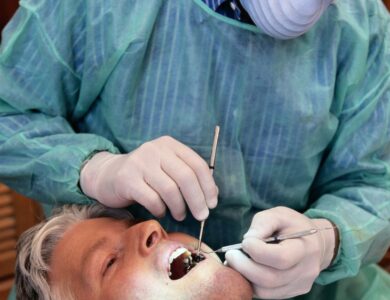
* **Oral Examination:** Checking for gum disease, cavities, dry mouth, or other oral issues.
* **Medical History:** Asking about your diet, medications, smoking habits, and any underlying health conditions.
* **Questionnaires:** Assessing your perception of your own breath odor and asking others for their honest opinion.
* **Blood Tests:** To check for conditions like H. pylori infection or metabolic disorders.
* **Imaging:** In some cases, like for tonsil stones or sinus infections, imaging tests might be used.
The goal is to pinpoint the specific source of the odor and rule out any serious underlying health conditions.
## Treatment and Prevention: Taking Control
Treating bad breath often involves addressing the underlying cause. Strategies include:
* **Improving Oral Hygiene:** Brushing twice daily, flossing daily, using mouthwash, and potentially tongue scraping can significantly reduce oral bacteria.
* **Managing Dry Mouth:** Staying hydrated, chewing sugar-free gum or sucking on sugar-free candies, and using saliva substitutes can help.
* **Treating Gum Disease:** Professional dental cleaning and treatment for gum infections are crucial.
* **Addressing Stomach Issues:** Treating GERD, H. pylori infections, or other stomach-related conditions.
* **Dietary Adjustments:** Avoiding strong-smelling foods and managing sugar intake.
* **Smoking Cessation:** Quitting smoking is vital for both oral and overall health.
* **Treating Underlying Conditions:** Managing sinus infections or other respiratory issues.
## Conclusion: Seek Professional Guidance
While bad breath is most commonly linked to oral hygiene issues, it’s crucial to understand that bacteria from the stomach can sometimes contribute. Other factors like respiratory problems or medications can also play a role. If you’re troubled by persistent bad breath, don’t hesitate to seek professional advice from your dentist or doctor. A proper diagnosis is the first step towards effective treatment and regaining confidence in your smile.
**Call to Action:** If you are experiencing persistent bad breath, consult your dentist or doctor to determine the underlying cause and discuss appropriate treatment options. Remember, taking action can significantly improve your oral health and social well-being.