Unlock a Brighter Smile: Your Guide to Teeth Whitening Options in the USA


Unlock a Brighter Smile: Your Guide to Teeth Whitening Options in the USA
In the United States, achieving a confident smile is a common goal. While many people are born with naturally white teeth, factors like diet (coffee, tea, wine), smoking, aging, and certain medications can lead to tooth discoloration over time. Fortunately, there are numerous effective ways to brighten your smile and restore its natural radiance. This guide explores the various teeth whitening options available, helping you understand the pros and cons of each to choose the best fit for your needs.
Teeth whitening is a popular cosmetic dental procedure aimed at removing surface stains and sometimes intrinsic discoloration for a noticeably brighter appearance. Whether you’re seeking a quick fix or a long-term solution, understanding the different methods can empower you to make an informed decision. From convenient at-home kits to professional treatments, each option comes with its own advantages and potential drawbacks. Consulting with a qualified dentist is always recommended before starting any whitening regimen to ensure safety and effectiveness.
1. At-Home Teeth Whitening Kits
These kits are often the most accessible and affordable option, typically available over-the-counter (OTC). They come in various forms, including:
- Whitening Strips: Thin, flexible strips coated with a whitening gel that are applied directly to the teeth for a set time each day.
- Whitening Trays: Custom-fitted or pre-fitted trays that hold a whitening gel against the teeth, usually worn overnight.
- Whitening Gels/Pastes: Applied directly to the teeth using an applicator or brush.
Pros: Convenience, relatively low cost (especially initially), variety of products available.
Cons: Less professional supervision, potential for overuse leading to sensitivity or gum irritation, results can vary significantly, requires consistent application over several weeks.
2. Professional In-Office Whitening
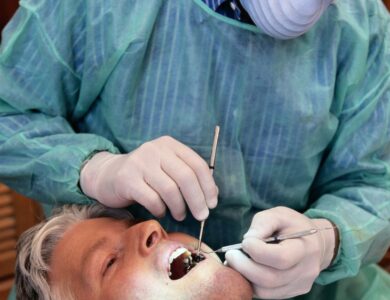
This is typically the fastest and most potent method performed by a dentist or dental professional in their office. The process usually involves:
- Applying a high-concentration whitening gel to the teeth.
- Activating the gel using a special light (LED or laser) to accelerate the whitening process.
Pros: Quickest results (often visible in one visit), highest concentration of whitening agents, professional supervision ensures safety, often provides longer-lasting results compared to at-home kits.
Cons: Significantly higher cost, potential for temporary tooth sensitivity, usually requires multiple visits for optimal results.
3. Whitening Toothpastes
While not a primary whitening method, whitening toothpastes play a role in maintaining oral hygiene and removing surface stains. They contain mild abrasives and sometimes chemical agents to help polish the tooth enamel and remove extrinsic discoloration.
Pros: Easy to use, convenient for regular maintenance, readily available.
Cons: Primarily effective for surface stains, not suitable for deep intrinsic discoloration, can be expensive for frequent use, limited whitening power compared to gels or trays.
4. Whitening Mouthwashes
Similar to toothpastes, whitening mouthwashes are mainly used for surface stain removal and maintenance. Some formulations contain mild bleaching agents that can help prevent future staining.
Pros: Convenient (use alongside brushing), helps maintain results from other whitening treatments, can be used for touch-ups.
Cons: Generally less effective than strips or trays for significant whitening, primarily focuses on surface cleaning and prevention.
5. Whitening Pens
Whitening pens are portable devices that allow you to apply a whitening gel directly to your teeth as needed. They are often used for touch-ups or for individuals who prefer a more controlled application method.
Pros: Portability, ease of use, good for quick touch-ups, convenient for travel.
Cons: Can be messier to use, potentially less effective than trays or strips, cost per use can add up over time.
Important Considerations Before Starting
Before choosing a teeth whitening option, it’s crucial to consider a few factors:
- Consult Your Dentist: Always get a professional dental check-up first. They can identify underlying issues like cavities, gum disease, or cracked teeth that need addressing before whitening.
- Understand the Cause: If possible, identify why your teeth are discolored. Addressing the root cause (e.g., quitting smoking, changing diet) can prevent future staining.
- Potential Side Effects: Be aware of potential side effects like increased tooth sensitivity, especially with peroxide-based products.
- Choose Wisely: Select an option that aligns with your budget, lifestyle, and desired results.
Maintenance is Key: Regardless of the method used, maintaining good oral hygiene is vital for long-term results. Brushing twice daily, flossing daily, and regular dental check-ups will help keep your teeth clean and healthy.
Conclusion:
Teeth whitening offers a fantastic way to achieve a brighter smile. From convenient at-home kits to powerful professional treatments, there’s an option for everyone. However, the best approach depends on your individual needs, budget, and lifestyle. Remember, consulting with your dentist is the most important first step to ensure you choose the safest and most effective method for your unique situation. Take control of your smile and unlock a brighter future!
🦷 NYC Dental Treatment Cost Estimator
Estimated price ranges for 65+ dental procedures in New York City — based on 2026 market data across all boroughs and provider types.
Call to Action:
Ready to explore your options? Schedule a consultation with your dentist today to discuss teeth whitening and determine the best path towards your ideal smile.